
 Image 1 of 2
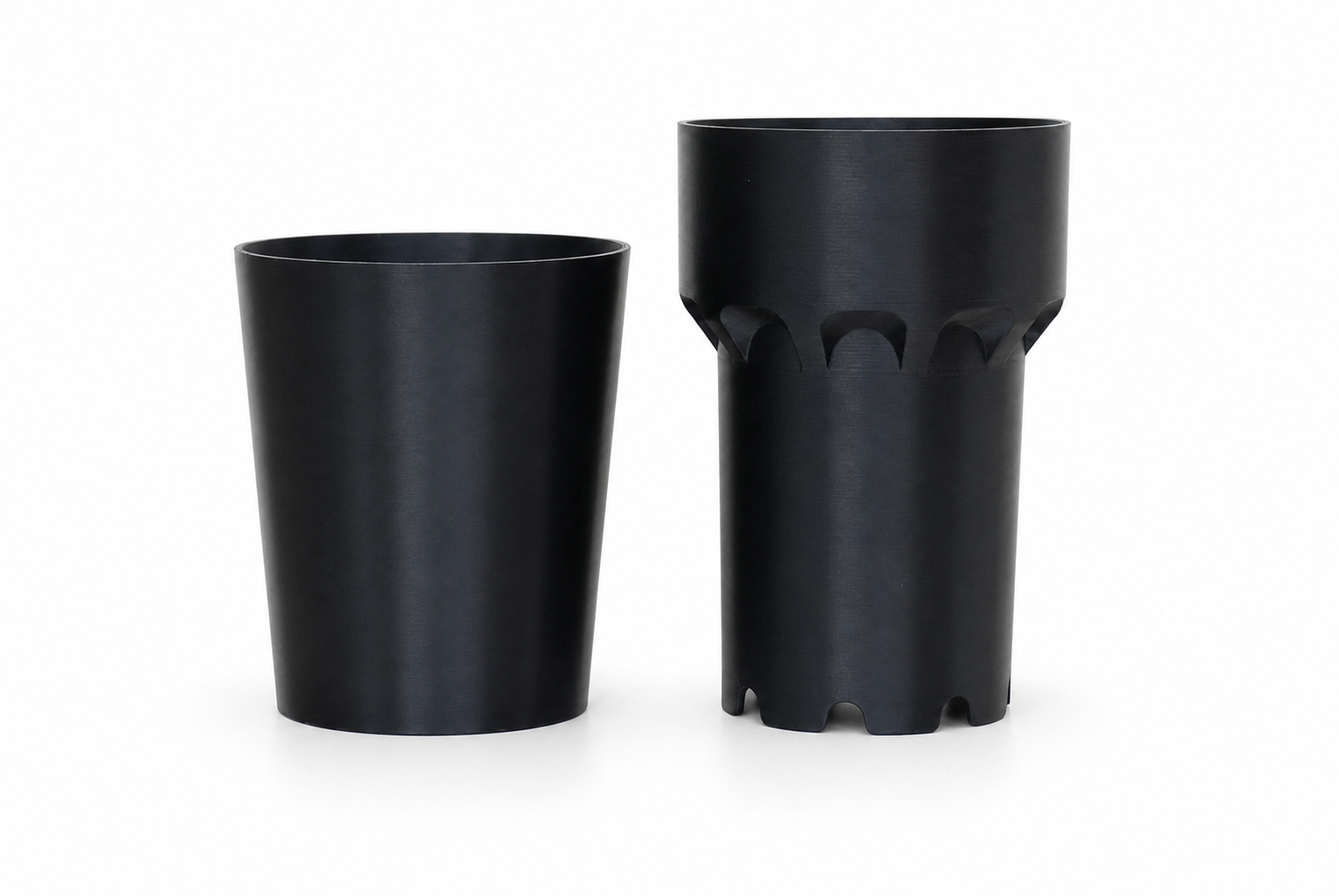 Image 2 of 2
PathTrap® is a small device placed in the flow of water draining (leachate) from soil, mulch, water or potted plant samples. It holds the PhytoBait® which is designed to attract Phytophthora spores while avoiding as much interference from other microbes. The PathTrap® is built for both individual and batch samples, is easy to install, remove and clean, and can be reused in laboratory, nurseries, gardens and natural areas as part of regular plant‑health checks.
PathTrap® takes a large volume of water and concentrates any Phytophthora into a small sample that can be tested. As the water flows through, the spores are concentrated and caught in the inner sleeve and given time to attach to the PhytoBait®. After the set exposure time, the PhytoBait® is taken out, sent back to the Botanic Gardens of Sydney PlantClinic laboratory and tested using DNA‑based methods to see if Phytophthora is present.
This helps users to:
Monitor irrigation water, dam water, run‑off, for individual/batch samples of soil, water, mulch or potted plants for Phytophthora contamination.
Trace likely sources and pathways of infection within a site or supply chain.
Integrate early‑warning surveillance into existing nursery and land‑management practices.
PathTrap® is a small device placed in the flow of water draining (leachate) from soil, mulch, water or potted plant samples. It holds the PhytoBait® which is designed to attract Phytophthora spores while avoiding as much interference from other microbes. The PathTrap® is built for both individual and batch samples, is easy to install, remove and clean, and can be reused in laboratory, nurseries, gardens and natural areas as part of regular plant‑health checks.
PathTrap® takes a large volume of water and concentrates any Phytophthora into a small sample that can be tested. As the water flows through, the spores are concentrated and caught in the inner sleeve and given time to attach to the PhytoBait®. After the set exposure time, the PhytoBait® is taken out, sent back to the Botanic Gardens of Sydney PlantClinic laboratory and tested using DNA‑based methods to see if Phytophthora is present.
This helps users to:
Monitor irrigation water, dam water, run‑off, for individual/batch samples of soil, water, mulch or potted plants for Phytophthora contamination.
Trace likely sources and pathways of infection within a site or supply chain.
Integrate early‑warning surveillance into existing nursery and land‑management practices.